Knowledge Capture
When a property changes hands, the knowledge of how it works can change with it. Anthony finds it, records it, and makes sure it isn't lost.
Changing hands, changing heads
How an estate or farm really works is rarely written down. It lives in the memory of the people who have been there longest: the outgoing owner who knows the knack of emptying the reservoir without filling the kitchen taps with sludge; the retired manager who laid the drain that outfalls somewhere under the bottom field; the keeper who can tell you exactly which manhole cover sits over a live septic tank. When these people leave, that knowledge leaves with them. The risk is sharpest at sale or succession: a new owner arrives, and the memory of the previous generation simply disappears. Things go wrong that needn't.
A Typical Scenario
A country estate is bought, but no one quite knows where that water pipe crosses the field; Ol' Tom laid it, but he retired years ago. The blocked Victorian drains in the yard must outfall somewhere. There is a knack to emptying the reservoir without filling everyone's kitchen taps with sludge. Don't step on that rusty manhole cover, there's a septic tank beneath it. That branch of old pipework is isolated in the stable, because it bubbles up under the driveway if you turn it on. None of it is written down. All of it matters.
Making Sense of It All
At Icomb Place and Gawcombe Estate in Gloucestershire, 1,400 acres undergoing significant restoration, Anthony spent several months on site through the ownership transition. He crawled drainage ditches and lifted every manhole cover. Entire water networks were mapped for the first time, hundreds of land-drain outfalls located, lost tracks and access routes recovered. A full series of maps was produced alongside a written, indexed report on every service and piece of infrastructure for the incoming team, and all the survey data uploaded to LandApp, accessible to everyone working on the estate. Anthony continues to consult with the landscape architect and site managers as the restoration goes on.
Dealing With a Fellow Farmer
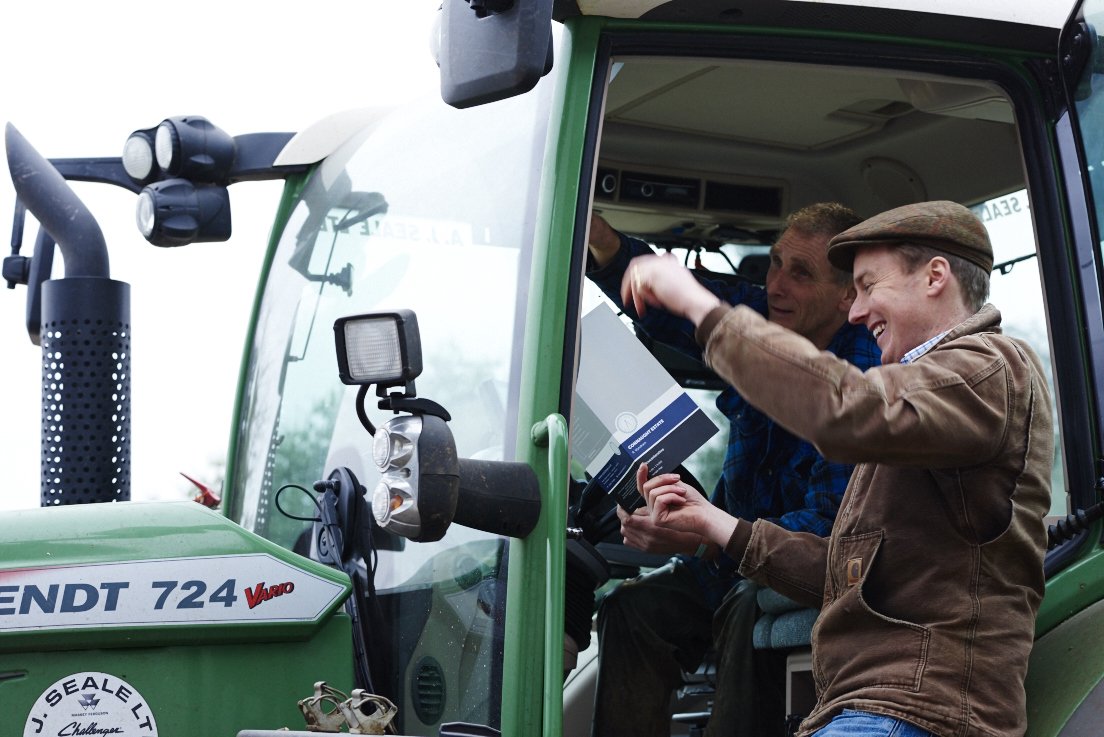
This is not an invasive, high-viz, hard-hat-and-clipboard exercise. It is dealing with one person, usually Anthony, a fellow farmer, or Catherine from the studio. Time spent with the team on the ground, jumping in a pickup and driving around. Listening. Asking the questions that prompt not just answers but the other things worth knowing. Cups of tea and home-made flapjacks at the kitchen table. Joining the family for a dog walk and being shown the owl boxes in the woods. A glass of something in the evening while the building keys are sorted out. Being left to lift every manhole cover on the place, and borrowing the quad to survey the woodland rides. Through the months an estate takes to change hands, Anthony or Catherine become familiar faces, coming and going.
How the Estate Works
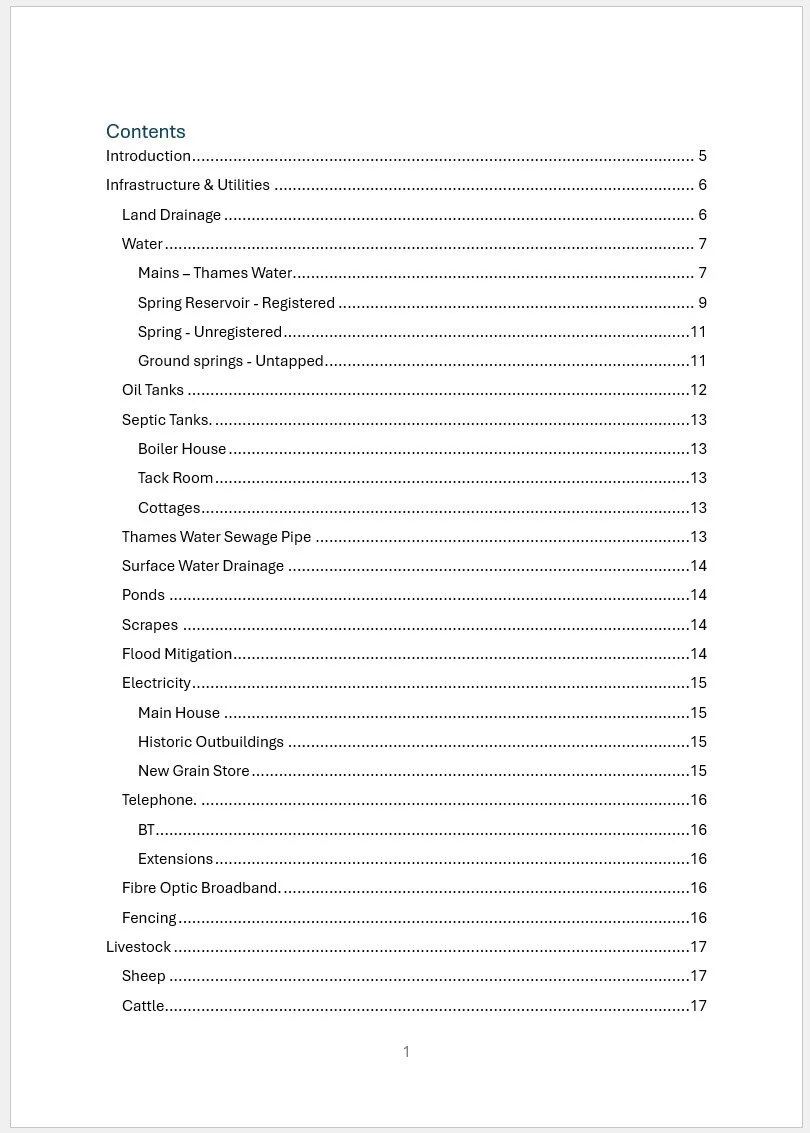
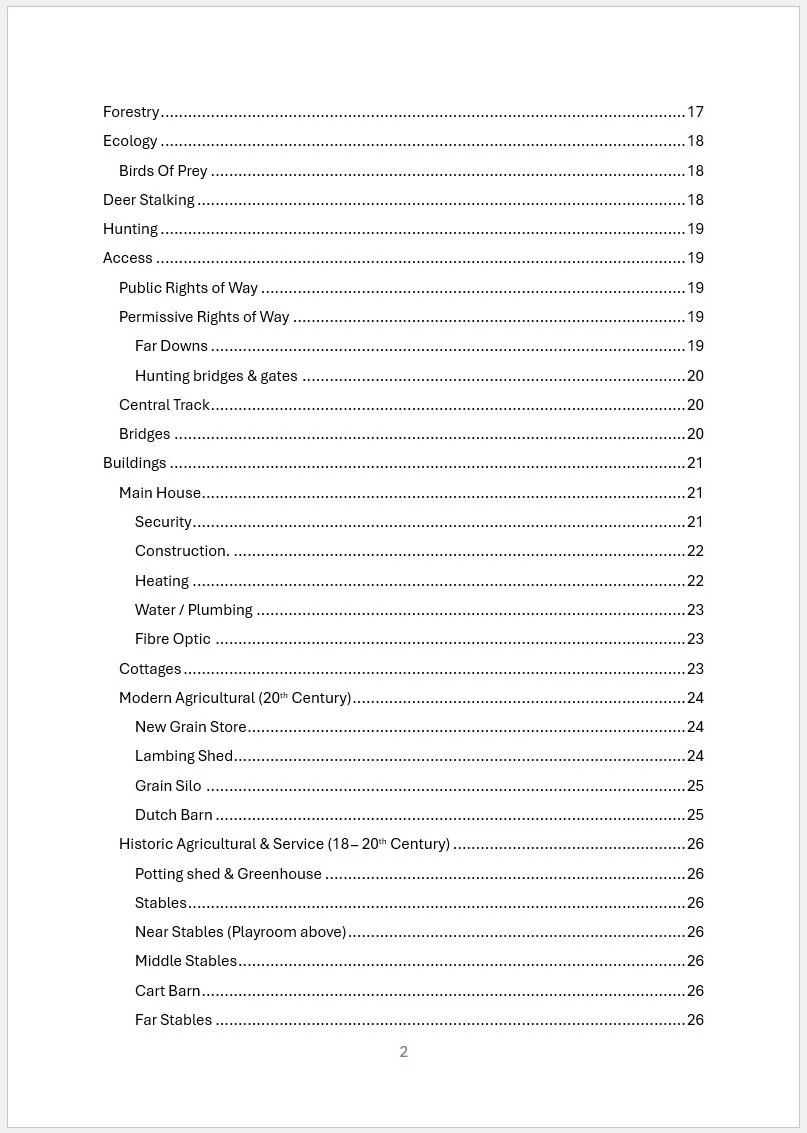
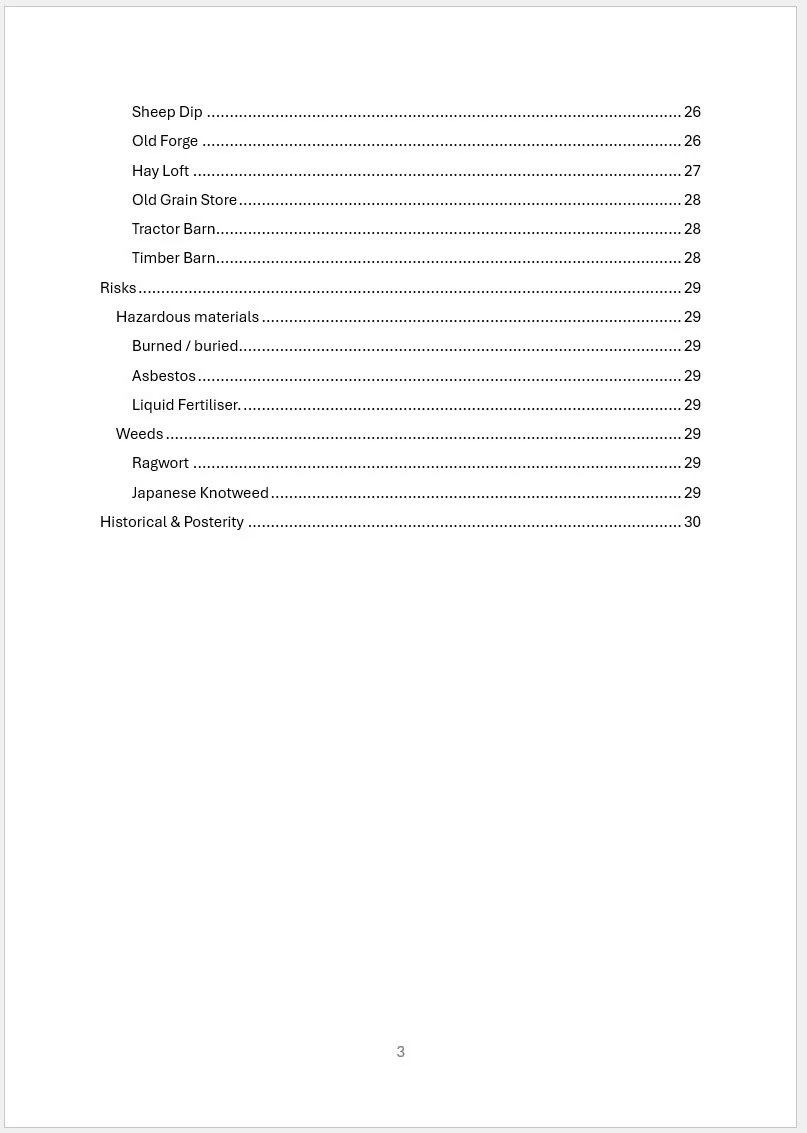
You end up with an indexed digital document, with chapters on all the property's inner workings, every historic plan scanned and catalogued, and a map drawing of dozens of layers. The maps feed directly into LandApp, a GPS-enabled baseline of the property, in the hands of everyone working on it from the first day of ownership. The decorative map hangs on the wall; the survey that made it goes on working in the field.
Remote Investigation
Not all of it is done on the ground. Anthony sources present-day mains utility records, scours historic aerial photography for the tell-tale signs of when services were buried, and obtains records and filing from the land agents. The archive and the ground are cross-referenced against each other until the picture is whole.
Anthony takes on a handful of knowledge-capture projects a year, in Britain and overseas. It is best not left to the last minute, and ideally begun a few months before the cut-off, whether a retirement or a property changing hands. To capture your own property in a record for the generations who will run it next, please get in touch.