EV Ranch, Colorado
72,604 acres on Piceance Creek, and the five generations of one family behind it
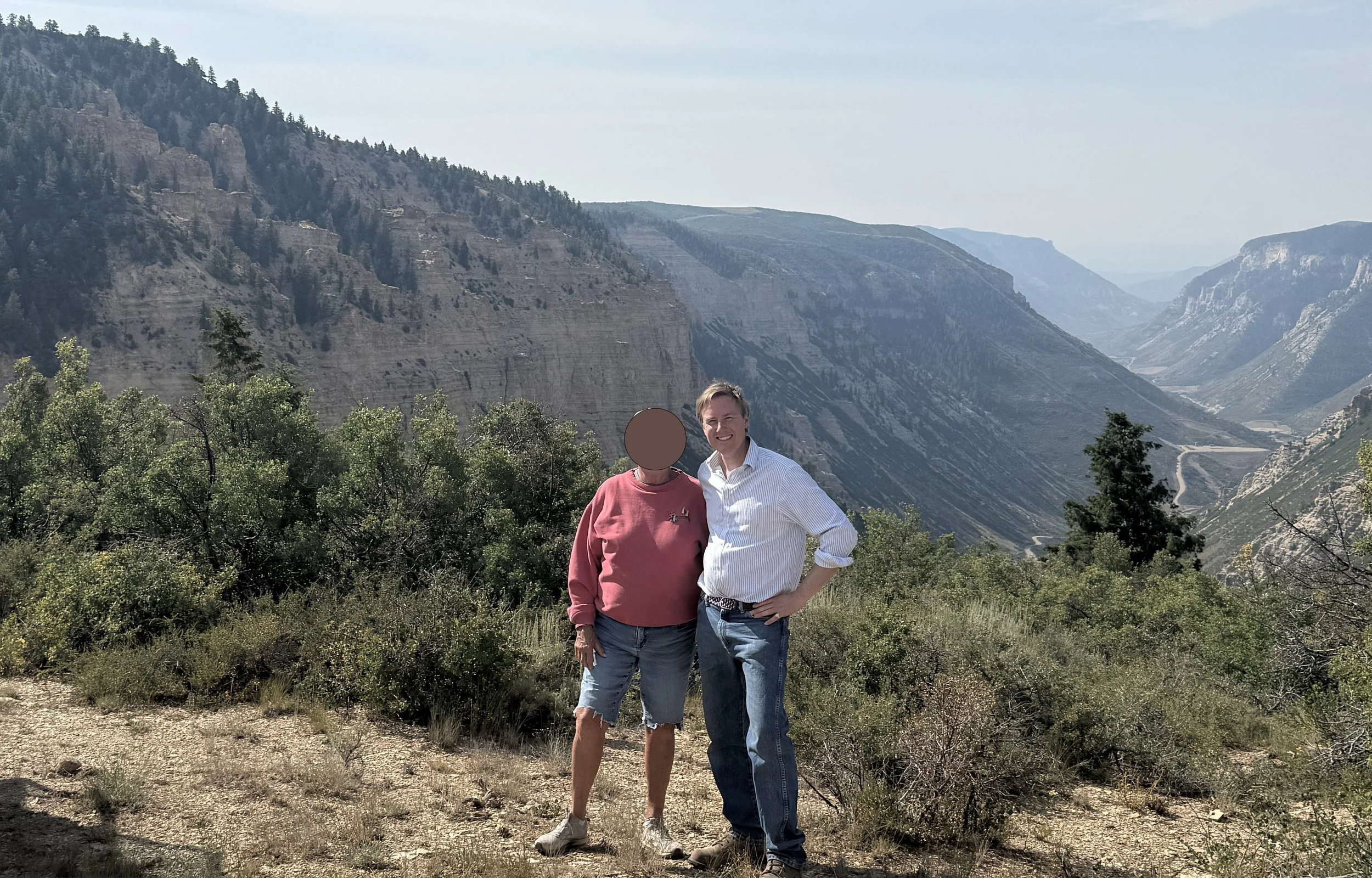
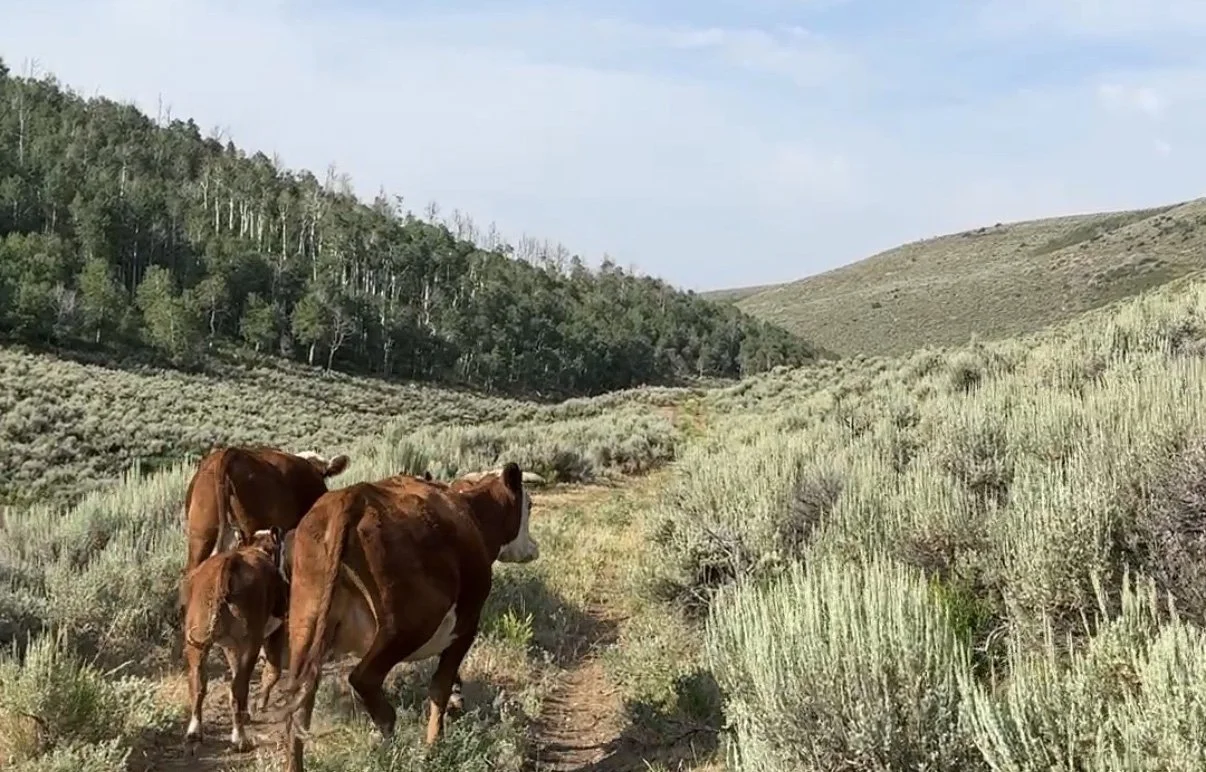
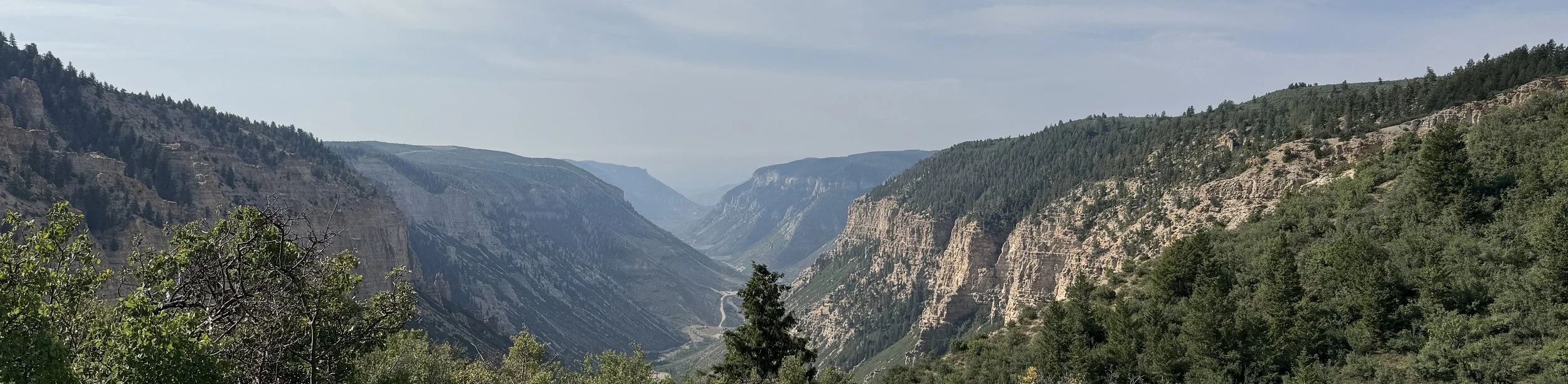
In 1923 the Johnson family drove up from Texas to Piceance Creek, in the high country of Rio Blanco County, by Model T. Among them was a boy of two, christened Ira Clifton and known all his life as Pat. He stayed on this ground for the rest of it. With his wife, Mary Lou, Pat built the EV Ranch from homestead beginnings, taking in the neighbouring ranches over six decades until it ran to some 72,604 acres of Colorado high country. The brand is the slash EV, and the ranch takes its name from it. Their grandson, Ty Schultz, holds it now. He commissioned Anthony first to map all of it, and then to write its history.
The Stories on the Ground
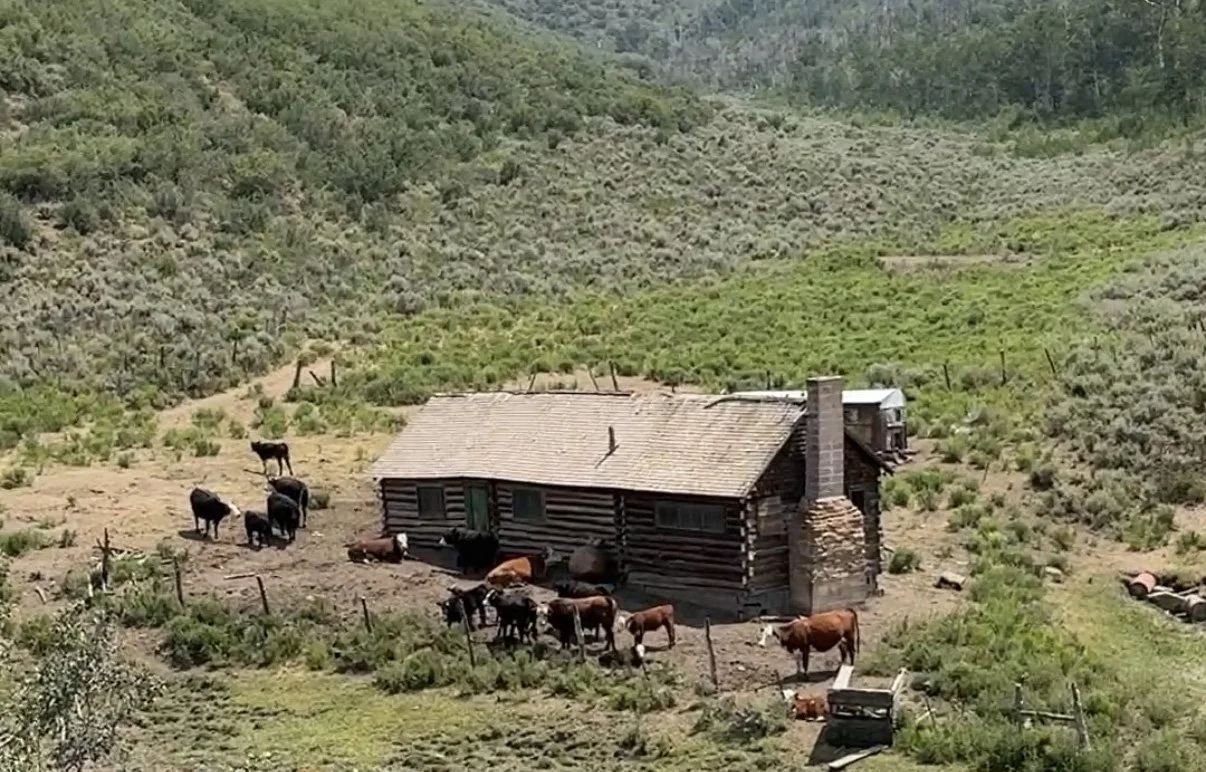
The land carries the marks of those who came before. Between the 1880s and 1930, fifty-one homesteads were taken up in what would become the \EV Ranch, with dozens more besides whose settlers never proved up and left no patent behind. A scatter of their cabins still stands, each one the record of someone who tried and moved on. One was found with a note pinned to the table through the blade of a knife: "Two miles to water, two miles to wood. I'm going back to Missouri and I'm staying for good." The cabin where Pat and Mary Lou honeymooned in 1945 still stands as well, just. All of it is on the map now, and set down in the history. The map will outlast the cabin.
The Survey
The commission began, as many American ones do, with an unhurried meeting in London while the family were over from the States, before any travel to the ranch was arranged. The survey ran over two visits, in the summers of 2025 and 2026, some ten days on the ground in all, with GPS and drone where the country called for it. At this scale, deeded land runs alongside leased and public ground, and the map shows all of it, recording what the land is, not only who holds it. A ranch of this size, with this depth of family history, is among the longer commissions Anthony takes on, close to two years from first conversation to finished work.
The Old Trails
The first routes through this country were not made by the ranch. Anthony worked in part from the first survey ever made of the region, in the 1880s, when a single cabin stood on all the ground that would become the ranch. From it, and on foot across the land, he identified the original Indian and homesteader trails of that century that still survive, the lines worn in by the Ute and by the first settlers and followed ever since. Older marks were recorded with them, among them an Indian fort built for the hunting of deer and several rock painting sites, set down on the map alongside the roads and tracks that came after.
The Working Map
The commission was never only a picture for the wall. All of the survey data was uploaded to LandID, giving the ranch a digital map that hunters and others new to so large a place can navigate with ease. The maps can be downloaded before arrival and used with no cellular service, showing the user's own position in real time and letting the layers of information be turned on and off. Every access route is marked and set out by type, asphalt road, dirt road, four-by-four trail and foot trail, and the areas closed to hunting are shown alongside.
The Detail
Much of the working fabric of the ranch had never been recorded. The pasture fencelines were mapped for the first time, giving accurate acreages at last, together with every gate, cattle guard, culvert and water tank.
The Water
The ranch's water was recorded in greater detail than ever before, and recorded so that it stays current. Ninety-five separate irrigation ditches, drawn from three creeks and running to some fifty-six miles in all, were surveyed, along with eighty-one springs. Each ditch and spring is tied directly to the state's live water-rights records, so that the map reads from the water commissioner's database in real time and shows the standing of every right as it stands today. Several ditches and headgates that the owners had not known were there came to light in the course of the work.
The Hunt Club
The EV Ranch is the home of the Grand Hotel Hunt Club, by its own account the longest continuously run private hunting club in North America. It began in 1938, and has hunted this ground ever since, first for deer and, after the hard winters of the late 1970s, for the elk that run in great herds on the high country of the Roan Plateau. Its lodge stands on the ranch, and it is there that the map and the history are to hang.
The History
What started as a map grew into something more. Alongside it, Anthony wrote a full illustrated history of the ranch and the country around it, made to the standard of a museum register and meant to hang in the lodge beside the map. It runs from the first peoples and the opening of the land, through the homesteads and the gathering of the ranches, to the five generations of the Johnson and Schultz families who have held the ground, and to the hunt club that has kept to it since 1938. It also sets down the recollections of Sally Lou Schultz, Pat and Mary Lou's daughter, so that the stories of the place are kept for the family's own records alongside the wider history.
The Fire
About a week after the first visit, the Lee Fire, one of the largest in Colorado's history, came within forty yards of the ranch boundary. The map remains.